
| Category | Value | Rating |
| Features | 20% |  |
| Usability | 25% | |
| Sound | 25% |  |
| Documentation & Support | 10% |  |
| Price | 20% |  |
| OVERALL RATING = 3.8 Stars, which earns it a WIHO Award! 3.6 stars or better: Outstanding, WIHO Award 3 stars or better: Worth considering 2 stars or better: Suited to specific needs 1 star or less: Not recommended |
||
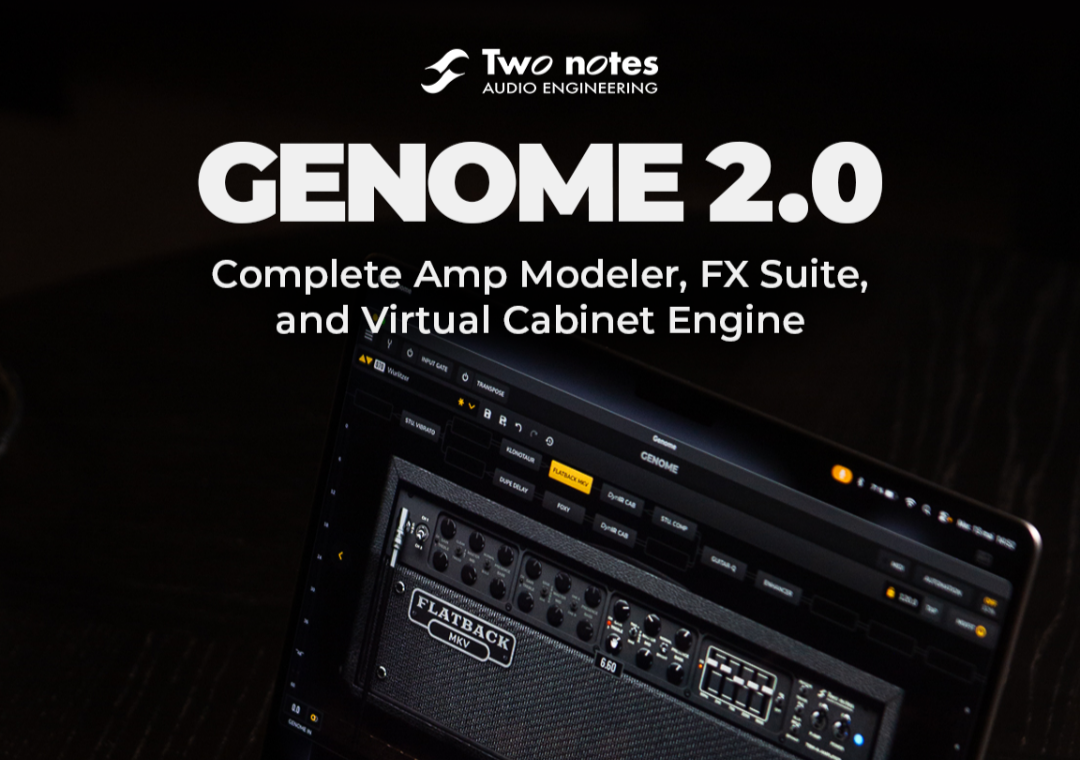
GENOME 2.0 feels less like a software update and more like a significant evolution of the original Two Notes platform. Rather than simply adding a handful of new features, this release expands the entire ecosystem with new capture technologies, enhanced workflows, and an iPad version as well.
For those of you unfamiliar with GENOME, it’s a full guitar rig ecosystem: models of guitar amplifiers, speaker cabinets, microphones, guitar effects, dynIR impulse responses, etc. Yes, there are many companies making amp/effect modeling products, but Two Notes is delivering a tightly curated collection of products that sound and perform at the highest level.
Two Notes already owns the pro studio market for guitar cabinet and mic modeling. If you want to track real guitar amps without microphones or simply want to attenuate the volume of your tube amp to a respectable level, the Torpedo range of products are the benchmark against which everything else is judged. So while Two Notes may seem new to the virtual amp software game, they are no strangers to the tech involved in delivering such an outstanding virtual guitar rig experience.
Features
GENOME 2.0 goes well beyond a collection of amps, effects, and speakers. Capture Studio is one of the highlights here: a dedicated standalone capture environment that introduces a more streamlined and professional approach to creating amp captures. Working alongside it is AmpNet, a new technology developed in partnership with Artera DSP. Together, they deliver what may be one of the most notable advancements in amp capture technology to date: multi-parametric amplifier capture.
Unlike traditional static captures, AmpNet preserves dynamic control interactions, allowing captured amplifiers to respond more naturally to changes in gain, tone, and other controls. Within GENOME, these captures come to life through the new PARADEX component, offering a level of realism and flexibility rarely seen in current capture-based ecosystems.
Beyond the capture innovations, GENOME 2.0 arrives with a substantial collection of quality-of-life improvements and new creative tools. Users gain access to seven new TSM-Ai amplifier models, a Global Transpose function for real-time pitch shifting across the entire signal chain, expanded routing capabilities, and a redesigned rig browser.
At A Glance: What’s Included with Genome 2.0?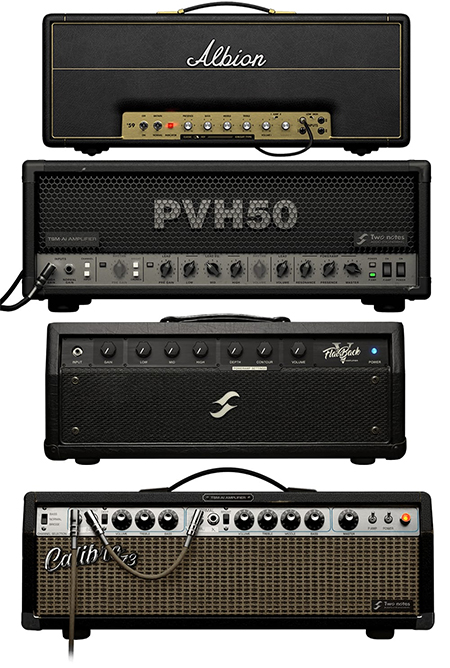 A few of the amps in GENOME 2.0. TSM-Ai Amplifiers
What makes these amp models more advanced than others is that they feature a combination of physical amp capture combined with modeling, intended to capture the amps across a range of their settings more naturally. TSM Amplifiers Pedals 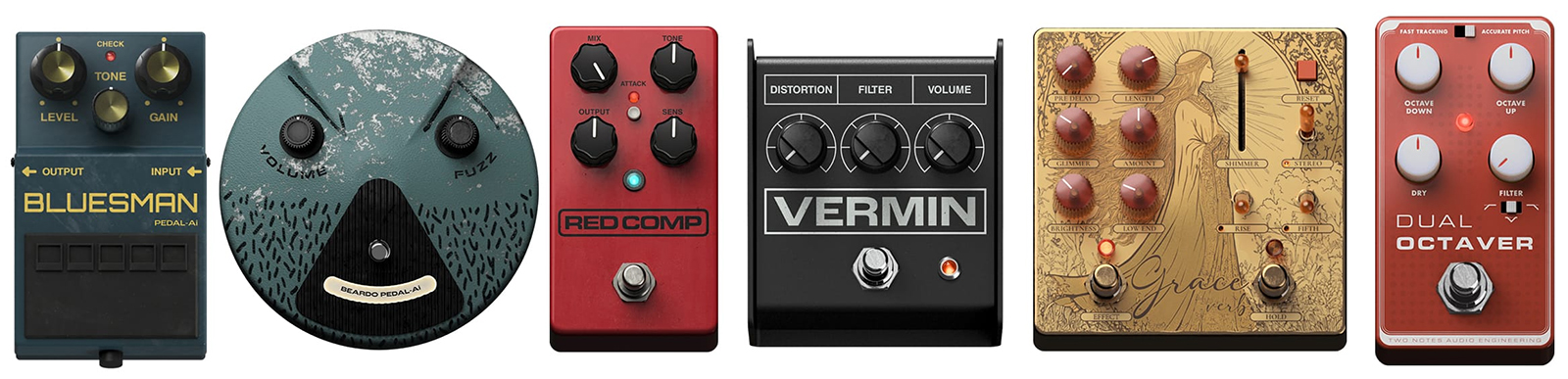 Beautiful graphics make it pretty obvious what pedals were modeled. Studio FX DynIR Cabinets There’s also an IR loader to load your own IRs into the system. MIXFIT |
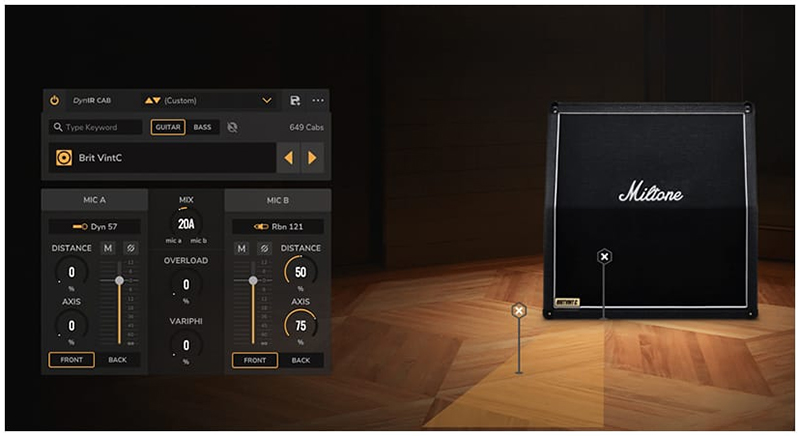
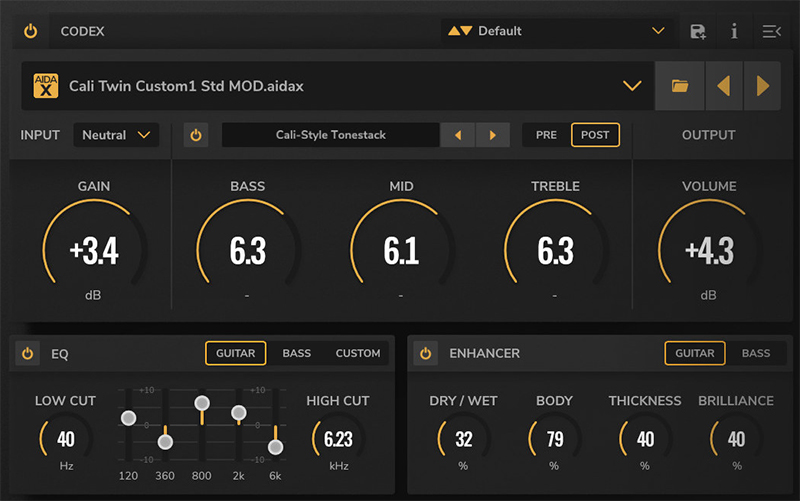
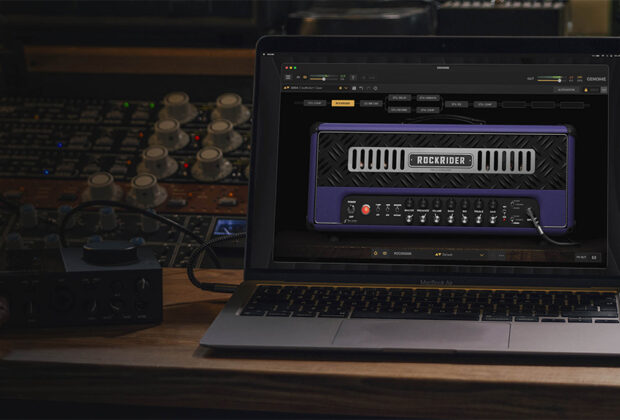
The entire plug-in was a pleasure to use and navigate. The entire signal chain can be clicked, dragged, and re-routed similar to working with any modern modeling unit (i.e. Axe-Fx or Helix). The new amps sound fantastic (more on that in our video) and feature every knob and control from the physical version in a wonderful interface: the LEDs turn on and off, the digital cables physically move around when changing inputs, and it truly feels like you have the real thing in front of you. This is the first plug-in we’ve tested that has these little responses to your input that makes it more engaging than just turning knobs or entering numerical values. The UI is very clean, colorful, and easy on the eyes.
The effects are stellar and sound great in both mono and stereo. There are plenty of overdrives, modulations, time-based effects, and dynamics controllers. A few standouts to us were the Double Tracker and (Wall of Sound) WOS Post-FX. The double tracker allows for total control over a pseudo-stereo tracker that translates very well and outputs a convincing result. The WOS Post-Fx is a Torpedo carry over that has an EQ, Compressor, Reverb and more all in one FX slot, perfect for managing resources and getting more done with less.
The Global Transpose is one of the best on the market that we have ever experienced. There was no noticeable latency or artifacts (we tested at 16 samples, 0.4ms roundtrip latency on a 2023 Mac Studio M2 Max). This allowed for seamless pitch shifting at the click of a button.
We can’t forget to call out the new TSI-AI Amps either, as they are 1:1 recreations of iconic amps spanning Soldano and Mesa to Fender and Ampeg. They felt very dynamic and responsive while playing, and it felt like each turn of the knob responded the same way the physical counterpart would. Unlike a static profile or capture, the EQ response and curves follow the real amp behavior, whereas other hardware units sometimes use stock EQs which deliver less authenticity.
MixFit was one other feature we feel inclined to highlight, as it gives you a dynamic EQ and tone shaping suite to get your guitar or bass tone to sit perfectly in any mix. You can add or reduce pick attack, tightness, sparkle, air, high and low cuts, and even adjust a vintage/modern knob to create brand new sounds.
Usability and Sound
Take a deep dive into the sounds and operation of GENOME 2.0 with Zack in the video above.
In addition to our video, there are great audio samples on the GENOME product page to explore as well.
Documentation and Support
GENOME 2.0 has a very detailed User Guide available for download. It’s easy to follow and provides great background information to help you understand the tech behind it (and other Two Notes technologies) better.
Price
Two Notes Genome 2.0 starts at $129.99 USD with 16 amps, 49 pedals, 50+ AI amp profiles, 16 virtual cabinets, and 17 studio effects.
For $299.99 gets you GENOME Suite, which adds 50 of Two-Notes’ acclaimed DynIR impulse responses, and numerous product updates including nearly every new TSM amplifier Two Notes releases for the life of the product. Upgrades also exist for current users.
And… FREE! Check this fabulous software out with GENOME Intro, which includes four TSM-Ai amplifiers, 14 pedals, 4 DynIR cabinets, 4 studio post-FX including Wall of Sound, and an integrated IR loader with 10 Choptones IRs included!
Given the quality of sound and ease of use, GENOME 2.0 is a great deal no matter which option you go with.
Contact Information
Two Notes Audio Engineering
www.two-notes.com