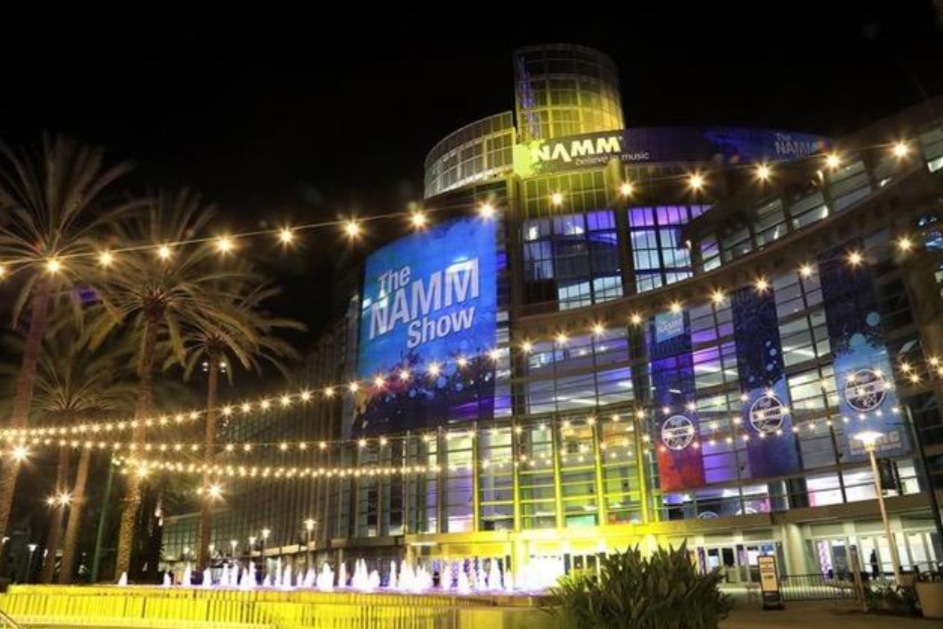
This year’s NAMM Show has come and gone, and while we approached this year’s show with a certain sense of excitement and apprehension, we’d be lying if we said that we came away with our fears completely allayed.
There were over 60,000 attendees this year, a far cry from the 100,000 we saw before the Pandemic, and just shy of last year’s 63,000 visitors. This year’s visitors were notably upbeat, and there was a positive, jovial vibe on the surface of the show. The MI industry is all about connection, and the NAMM Show provides connection at a level you just don’t get from virtual and online experiences: face-to-face contact with your industry colleagues, visiting with old friends, making new friends and new professional contacts, and fans sometimes get to connect with artists whom they admire.
Despite a lack of exhibits from some notable large companies on the show floor, smaller exhibits than typical from other big names cutting back on expenses, a dwindling drums contingency, and a grand stage concert event featuring not a single artist anyone over 40 had ever heard of, the show still came away feeling like a good NAMM Show thanks to the remarkable energy. But under the covers, it showed an industry charting an uncertain path. Check out Michael Whalen’s deep dive below the surface here if you’re interested in industry observations.
The Gear
If you’ve been following our NAMM Show reports over the past twenty years, you know we evaluate shows as being either Evolutionary or Revolutionary. This year’s show was… not so much evolutionary, and certainly not revolutionary, but more like, Status Quo. There were a handful of really nice innovations (read on for our favorites), but overall, there was definitely a more scaled back range of new products. New colors and finishes, sure, but new instruments that make you go “Wow?” Not as many as we’ve seen in prior years.
This year, it was really just stay put, don’t do much new, wait to see how pricing is impacted by ever-changing tariffs, and see if people keep purchasing musical instruments at a significant level. And with that intro behind us, on with the gear!
Guitars • Bass • Keyboards • Drums • Recording & Pro Audio
Guitars
 Casio Dimension Shifter: What began as a rogue project from a digital piano engineer turned into a truly innovative new product for guitar players. The Dimension Shifter enables players to control any expression pedal-controlled effect from wah to reverb swells and beyond, all by moving your guitar, no footwork necessary. A spring-loaded sensor device is worn in-line between your guitar strap and the guitar body, and it communicates wirelessly to a pedal-sized adapter that connects to the expression pedal input of any device.
We were impressed by how easily you can adapt to physically moving your guitar to elicit wah effects and more, and the practicality of this innovation is fantastic. One of our editors commented that in his wedding band, whenever they have to play “Sweet Child of Mine,” it’s a challenge because he has to move a wah pedal to a prominent placement in front of the band for the iconic solo. With this, he can just step out anywhere while leaving his wah effect anywhere in the backline (or in his Axe-FX modeler). And think about the thousands of physically impaired guitar players who need to play sitting down. They now have access to a world of effects they couldn’t play or manipulate before. Look for an in-depth review coming soon.
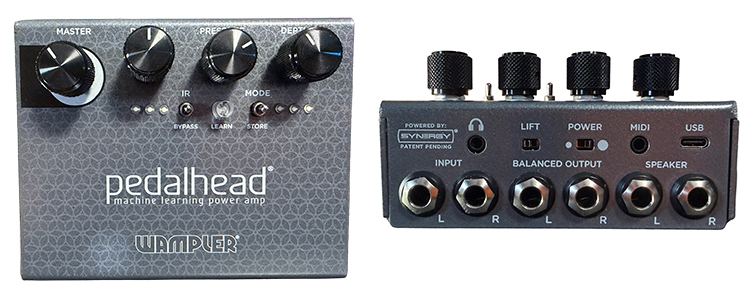
Wampler Pedalhead: What? Another power amp in a pedal for your modeling rig? No! That would be far too pedestrian. Rather, this is a power amp for your tube preamp pedal on the floor (or a tube rack preamp) designed to provide a more tube power amp-like response than other solid-state amps, whether pedal-based or racked. That’s just the short story.
What makes a tube power amp sonically superior to solid-state/Class D power amps is the non-linear relationship between voltage/current from the power amp and the response from your speaker cabinet. As you increase the volume on a tube power amp, for example, it experiences changes in things like compression, sag, and edge-of-breakup signal clipping. The Pedalhead recreates these behaviors thanks to Machine Learning technology. Similar to performing an IR capture, when first used, the Pedalhead sends a filter sweep to your speaker cabinet, measuring the response behavior of your cabinet, so that it can dynamically alter its own behavior as you adjust the volume, presence, and depth on this compact power amp, which delivers 240 watts stereo (60 watts tube amp equivalent).
If that was all, it would be a cut better than standard Class D power amps, whose very linear, low impedance output lacks the feel and response of a real tube amp, but the Pedalhead goes even further. There are selectable power amp models in the Pedalhead that emulate the response characteristics of Vox, Fender, and Marshall style amps. Machine Learning combines the modeled amp behavior with the real-time response of your physical cabinet for a significantly improved sound. Finally, you can load stereo IRs, too, and go direct to front-of-house or to a recording interface without a speaker cabinet. We look forward to testing this new tech soon.
Honorable Mentions
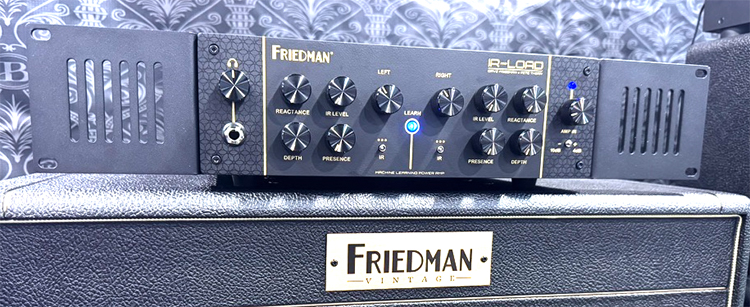
Friedman IR-Load: This box lands in a familiar product space with other power attenuators, load boxes, and IR loaders for guitar amps. Where it distinguishes itself from the likes of Two Notes, UA, BOSS, and others, is that it is a workhorse unit that combines power attenuation (play your tube amp at any reduced volume level without sacrificing tone or response), direct recording outs with 3 selectable IRs per side (it’s a stereo design), reamping, and it features the same Machine Learning Power Amp technology that is shared by the Wampler Pedalhead. Both products were designed by Synergy Amplification in combination with Dave Friedman, Brian Wampler, and guitarist Pete Thorn.
We especially love that the IR-Load is fully MIDI controllable. Every knob from Reactance to Depth to Presence to Volume and more has an assignable MIDI CC value (and IR selection, of course), so you can fully modify the output on a per-preset basis if you’re using it in a modern guitar rig.
DSM Humboldt: And the Dumble quest continues. As we all know, you’re not getting a real Dumble any time soon. There are only a few hundred out there and they will run you a few hundred thousand dollars. So for those on the never ending Dumble tone quest, you have options for amp clones, Dumble clone boost pedals, and Dumble clone amps-in-box, not to mention plug-ins and modelers.
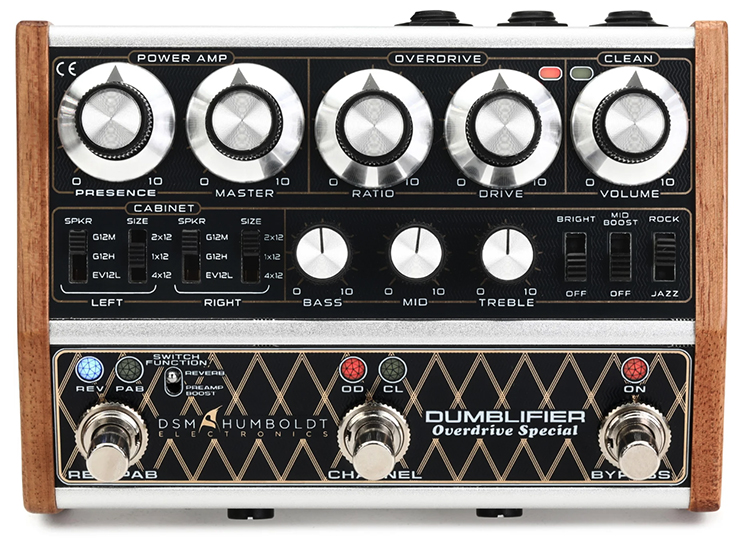
Recently, DSM Humboldt out of Chile announced their Dumblifier pedal. In R&D for a few years, it’s all analog and styled after the illustrious amps it is trying to model. And you won’t be using any apps to control it since it’s all analog. It’s designed as an ultra-faithful emulation of the legendary Dumble Overdrive Special amp, capturing not just the iconic tone but crucially the dynamic “punchy” compression, touch sensitivity, bloom, and smooth sustain that make Dumbles mythical and highly responsive to playing dynamics. Having the opportunity to play it while at the show, we can definitely say that it captures the essence of the D-style amps. Of course NAMM isn’t the best place to hear anything because it’s so damn loud. But these are going to sell like hotcakes, and if you’re on the Dumble train, you’ll want one.
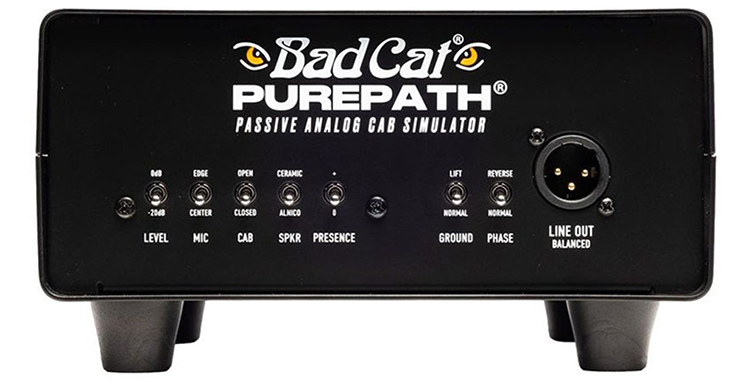
Bad Cat: The Bad Cat Purepath Passive Analog Cab Simulator bucks the trend of reactive load boxes with IRs and instead delivers a fully analog, completely passive, load box for direct recording, silent stage performance, and more. Plug your amp’s speaker output into the PPACS, connect the balanced line out to front-of-house or a recording interface, and you’re set. If you want a speaker on stage, there’s a passive pass-through to connect it, too. The load box has a series of switches and filters that let you customize the sound.
While it’s not going feature packed like digital products with IRs, we appreciate this straightforward approach. You don’t even need power. Just hook it up and you’ve got a very nice sounding way to get your guitar sound to the mixing board, whether on stage or in the studio.
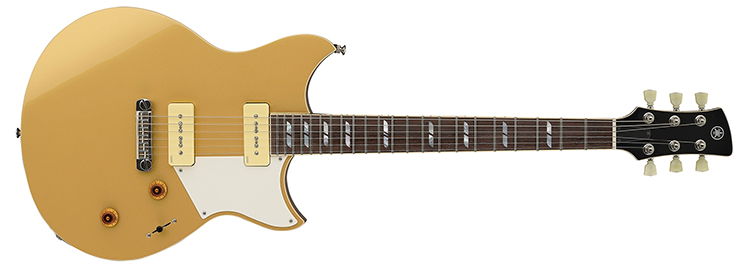
Yamaha: Maybe one of the biggest news items for guitarists was the release of the Chris Buck signature Revstar. Ever since people started seeing his custom shop, goldtop Revstar a few years ago, players have been begging for a production version. Now, their wishes have been answered.
At a reasonable price point of $1,299 USD, these Indonesia-made Revstars are stellar. We got our hands on the guitar and found outstanding fretwork and setups. Buck’s signature model features two custom designed P-90 pickups and instead of the tailpiece on the current Revstar models, it features a new wraparound bridge and all Gotoh hardware. Although the second iteration of the Revstar line has come cool thinner block inlays, the Chris Buck model has the inlays that were on many of the first Revstar line guitars.
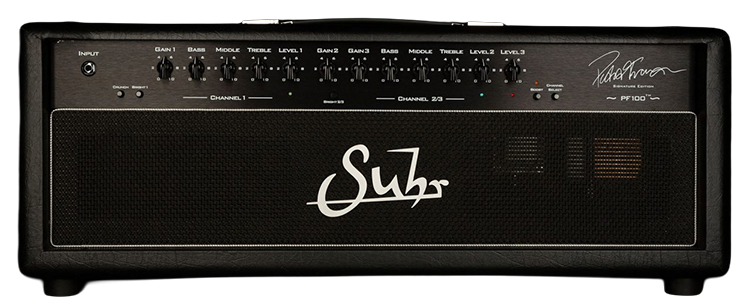
Suhr Guitars: Suhr introduced another wonderful signature-series amplifier. The Peter Frampton PF100 really comes alive in the right player’s hands. This 100W, EL34 head has three channels: clean/crunch, and two high-gain channels, with switches to fine tune the response of the channels. It’s obviously a British circuit-inspired design, and with a very clean control panel, you won’t even need us to show you the way to dial it in!
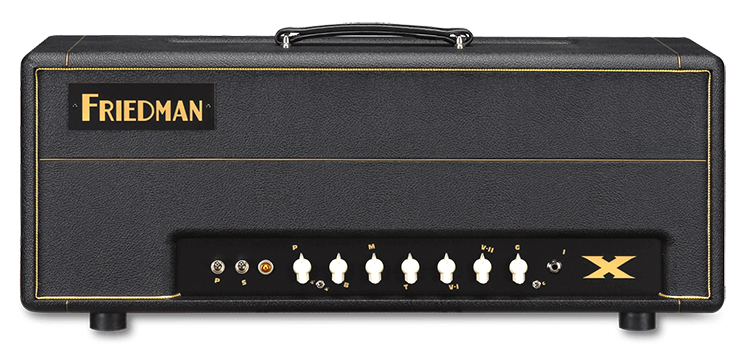
Friedman Amplification: Friedman introduced the Phil X signature amp. This ⅔ sized head is a single channel, 100-watt, EL34-based amp designed for the player who actually knows how to use their guitar’s volume knob, rolling it off to achieve vintage clean tone. With a footswitchable boost circuit, the amp goes from classic rhythm to searing lead tone on demand. There’s also a serial effects loop and line output.
Steadfast Stopbar: Sometimes innovation comes in small, non-electronic packages. We really liked this upgraded, drop-in replacement for the common bridge stopbar that adds fantastic tuning stability by locking the strings in place—without locking tuners! One of our editors already put it to use on one of his guitars:
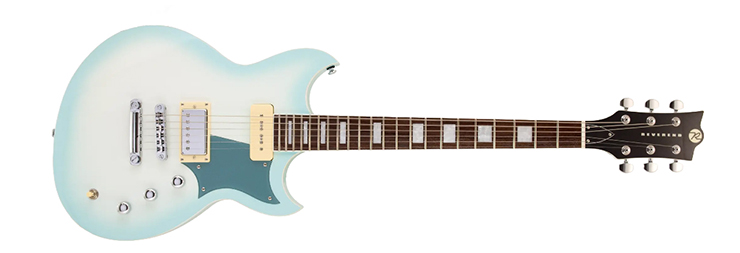
Reverend Guitars: The new Reverend Guitars Sensei models for 2026 represent a major refresh of the popular Sensei platform. This update includes a complete line makeover with four core models, featuring upgraded aesthetics, enhanced playability, and all-new custom pickups. We played these at the show and can say these pickups punch with no muddiness in the neck position, they are highly touch sensitive, and they are versatile enough to cover a lot of genres. We love the slick new colors like a tantalizing metallic lime green.
Key updates across the series:
- Streamlined, reduced-thickness body for lighter weight, improved comfort, faster feel, and tighter low-end response.
- Ebony fretboards standard for smoother playability, faster feel, and more precise, tight tone.
- New Steelhead Pickup Series — radical designs with oversized steel poles for highly responsive, punchy, and dynamic tone.
- Fresh styling with bold/transparent finishes (often striking top colors and transparent brown backs), a new headstock logo, and overall modern vibe.
These guitars offer set-neck construction (typically with Korina bodies), emphasize lightweight and ergonomic design, and position the Sensei as a modern classic. There’s also a Toneshop Exclusive variant like the Sensei RA (with Railhammer Chisel pickups for heavier rock/metal tones), but the core 2026 lineup focuses on the Steelhead-equipped models. We found these particularly exciting, and show some nice evolution of the Reverend guitar lineup.
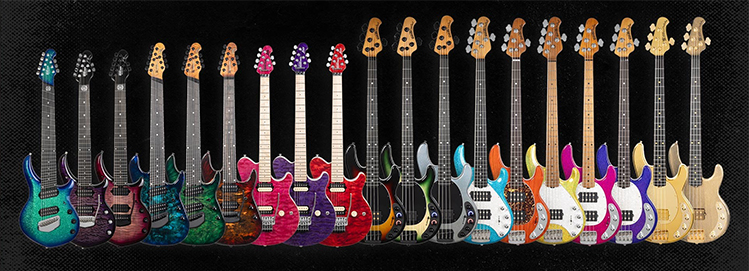
Ernie Ball Music Man: Sure, there were updates to signature models, and the 30th Anniversary Axis guitars are sure to bring a smile to your face, but what we found most exciting was simply Music Man’s commitment to bold, bright, shiny colors! This year’s crop of guitars have outstanding color palettes from bright pinks and blues to purple and beyond. Whether you crave a sparkle top solid color or their fantastic flamed and quilted tops, if you’re looking to make a statement on stage while also playing a killer guitar, there are quite a few options to choose from this year. Next on our personal hit list: either a Sabre or a Luke. What about you?
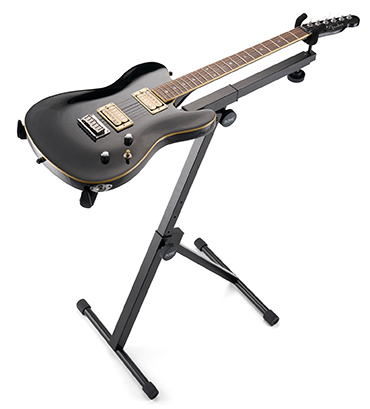
On-Stage Stands: For any guitarist or bassist, there is always the challenge of where you’re going to change your guitar strings or perform setup work and cleaning on your guitar or bass. Unless you have a dedicated space, you are often relegated to a kitchen table, countertop, or a bed. But On-Stage has solved that problem with the new GSWB5000 Guitar Stand Workbench. Use it as a guitar stand, or tilt and adjust and now you have a work bench for your guitar or bass. It easily folds up, too, so it won’t really take up any extra room. Plus, it’s highly portable. Why did no one invent this many years ago?!?!?
Bass
There wasn’t as much bass gear to get excited about this year as there has been previously. I mean, how many more bass preamp pedals do we really need? Or, Class D bass amps stuffed into a pedal format? But still, a few things definitely made us smile.
Dingwall: Last year was all about John Taylor’s signature Dingwall basses, but this year the signature bass that had rockers excited was their new Jacob Umansky signature bass, Sol. Similar to his custom Z3 bass, this one also features Dingwall’s outstanding multiscale neck, Darkglass electronics, Hipshot tuners, and comes with a beautiful bookmatched ash top. It’s available in both 5-string and 6-string variants, each extending to 37” scale on the low B string.
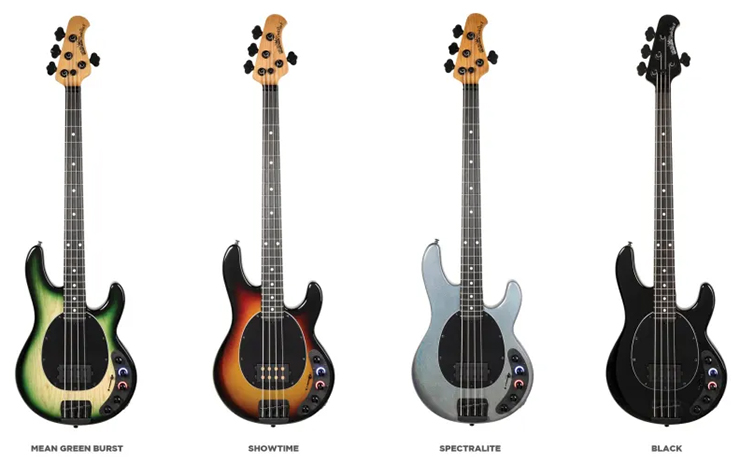
Music Man: Just like certain guitars belong in every player’s collection—a genuine Fender Strat, a Gibson Les Paul, etc., there are iconic basses, too. And when you think of Music Man, the StingRay immediately leaps to mind. The legendary bass celebrates its fiftieth anniversary this year, and with that comes a couple of very limited, very gold, instruments.
If you’re at the completely opposite end of the spectrum from classic, the new DarkRay II adds integrated octave up and octave down effects! This rock and metal-focused bass already has special features including onboard distortion (two types), and with a single pickup, controls for the optional bass tones are surprisingly straightforward.
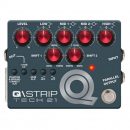
Tech 21: OK, so we did get excited about one preamp at this year’s show: the SansAmp Programmable Bass Drive ELITE. As the name implies, it’s programmable with up to 128 presets, while its performance mode gives you direct access to three different presets from the footswitches. With signature SansAmp sound, you also get chorus and filter effects, MIDI control, and onboard IRs for a great direct sound on stage or in the studio.
Another Geddy Lee signature product? Fine. Take our money. The Amalgamation Signature Chorus pedal is just what Geddy asked for, and its Detune control enables you to adjust the pitch of the chorus voicing. The Deviate footswitch alters the detune control further, adding an additional voice to the chorus effect, to create a more obviously present effect.
Keyboards
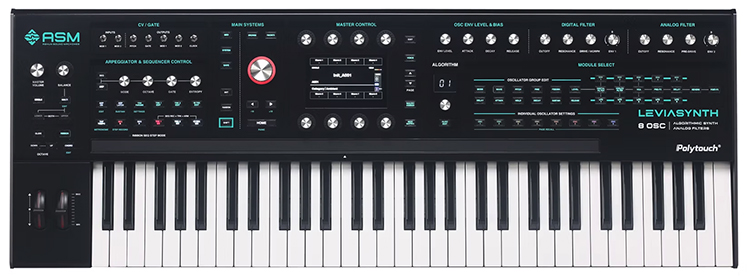
Ashun Sound Machines: ASM was showing the Leviasynth Keyboard and Leviasynth Desktop. Sporting 16-voices, each voice features eight oscillators of algorithmic synthesis paired with both digital and analogue filters, offering impressive sound design and expressive performance capabilities. Featuring 300-plus waveforms, phase modulation, FM, HTE sync, a 32-slot modulation matrix, morphable Algorithms, CV/Gate connections, MPE compatibility, a ribbon controller, the polytouch-equipped ASM Leviasynth is like their already fabulous Hydrasynth on steroids, and it sounded fantastic! This may have been our favorite hands-on synth at NAMM this year!
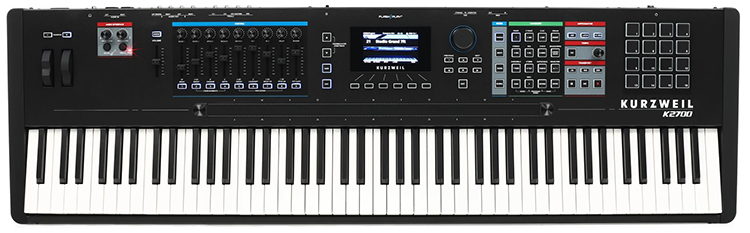
Kurzweil: This ended up being the surprise find of NAMM for us—in a very good way! While we were previously impressed with Kurzweil’s offerings that we reviewed over a decade ago, we felt that subsequent releases were simply minor tweaks to their original formula (even if an already good formula). The synths just seemed a bit long in the tooth compared with newer releases from other companies, and they just seemed to fall out of favor with the US market at large. But that is no longer the case!
The K2700 was introduced at this year's NAMM, featuring 256 voice polyphony, 4.5 GB of factory sample presets, 3.5 GB of user memory, a beautiful, easy to read, 4.3” 480×272 widescreen color LCD display (much better than their older keyboards), and also including their long-established VAST technology synthesis engine. A surprising feature was the addition of a six-operator FM Engine with the ability to load original FM SysEx files (as in, Yamaha DX-7!). The FM layers can be mixed with VAST layers as well, making for some new and unique sounds. All of this power is paired with an 88-key weighted keyboard (the Fatar TP40/L) and plenty of knobs, sliders, and hands-on controls. Kurzweil also released the SP8 Stage Piano, sporting the same sound engine but with less hand-on controls and a smaller memory footprint (2GB). Both of these sounded great, and we can’t wait to spend some more time with their new products. We found ourselves really enjoying playing these keyboards.
Honorable Mentions
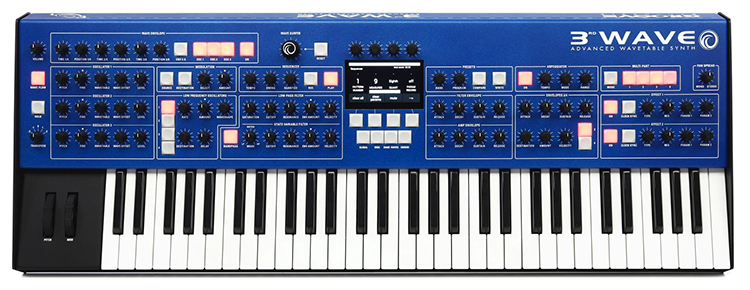
Groove Synthesis: Groove Synthesis had their own full exhibit this year, and it didn’t disappoint! They were showing off the 3rd Wave keyboard: a powerful wavetable synth with 24-voice polyphony and four-part multi-timbral capability. There was also a tabletop version that was eight voices and bi-timbral, but otherwise features the same engine. Each sounded so wonderful that it made us feel bad about not having one in our studios yet.
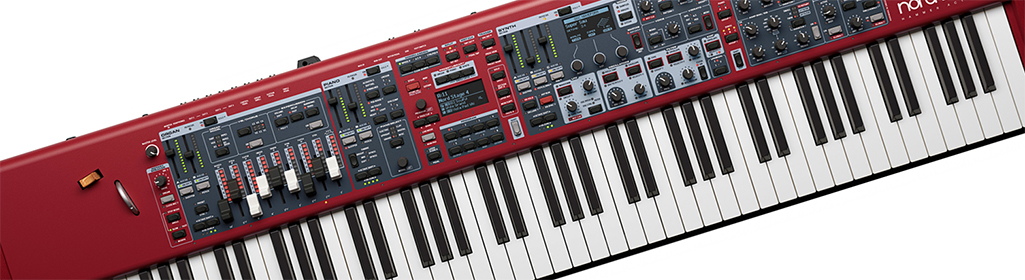
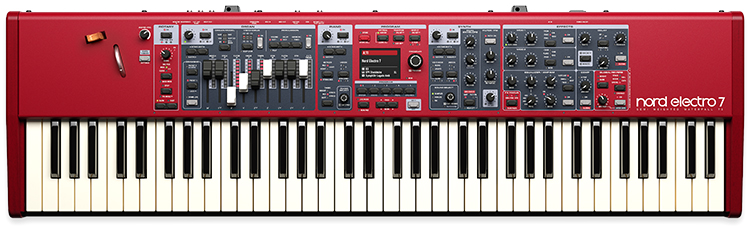
Nord: Nord was showing off the new Electro 7. We have always liked Nord’s keyboards, and this one is no exception. The Electro 7 contains updated Piano, Organ, and Effects sections, and finally, a new synth section. Also present are physical drawbars with LEDs, and a new color display, a Live mode, and a push encoder that make getting around even easier.
We were thrilled to see that there are now pitch bend and modulation wheels on all 73-key models, and physical drawbars with LEDs on all models as well. It comes in a 61-key synth action version as well as 73 key, weighted waterfall keyboard, or their triple sensor Kawai Hammer Action keyboard. It certainly delivers everything you expect from a Nord: red, pricey, and sounds great!
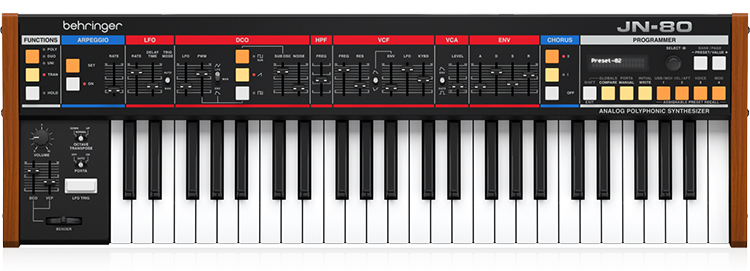
Behringer: Not all of the editors got to see this, but at least one of us did! Behringer continues to develop their affordable line of cloned classic synthesizers and was showing off the JN-80 (previously named the Neptune-80), a recreation of the Roland Juno 6 and Juno 60 (precursors to the Juno 106). Although it has eight voices instead of the original’s six, this only sports a 49-key keyboard instead of the original’s 61which is extra odd given the increased polyphony (sigh). Reportedly, the JN-80 utilizes some original chips, and it even has Roland’s unique pitch bend joystick (which seems to be very polarizing for players). There is also an arpeggiator and a screen, which is welcome given that there are 400 presets on board. We have a real Juno-106 in our studio, and while this is NOT a Juno-106 clone, we are eager to get it into our studio and compare the two. Maybe Behringer will treat us to a rackmount version?
Drums
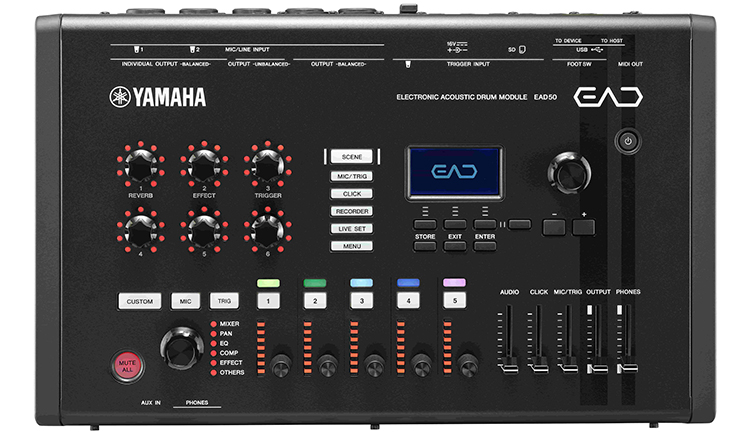
Yamaha: The Yamaha EAD system has been nothing short of revolutionary since its introduction a few years ago. Imagine placing a single microphone in the middle of your kit and having it deliver studio-like drum sounds to your mixing board, in-ear monitors, etc. for stage or studio. Well now check out the new EAD50 Electronic Acoustic Drum Microphone System.
The upgraded system features a new DSU50 stereo condenser microphone for next-generation, true stereo sound reproduction. It mounts on your kick drum as before but combined with the upgraded EAD50, delivers even better results. Blend the natural mic sounds with samples from Yamaha’s sound library if desired, dial in your desired room reverbs and other effects, and go. It’s great for maintaining a consistent live drum sound at gigs as well as for recording. Eight outputs provide plenty of control, and you can even add additional studio microphones to the EAD50 for further sonic refinement.
Honorable Mentions
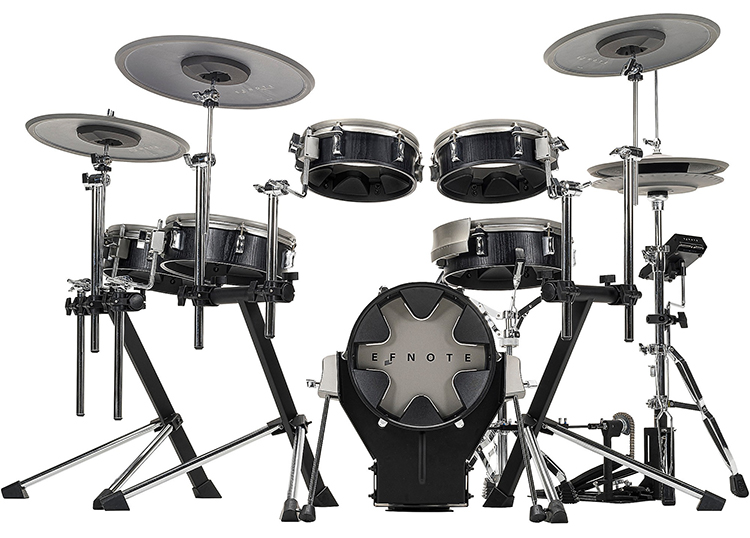
EFNOTE: We’ve been big fans of EFNOTE since those former V-Drums engineers went off to build an entirely different electronic drums company. New this year is the EFNOTE 3 series, which builds upon the brand’s entry level kit with major upgrades. Keep in mind that an entry level EFNOTE kit is light years better than other brands entry point to begin with, but now you get the following: upgraded cymbals (16” crashes and 18” ride) and the hi-hats now include their flagship two-piece, 14” multi-optical sensor design. In the EFNOTE 3X kit, the 8” kick sensor has been upgraded to a 12” mesh-head drum, and a second floor tom has been added to the kit. Output from their compact sound module/brain includes four analog channels and eight digital outputs over USB. And have you checked out their truly modern hardware?
Recording and Pro Audio
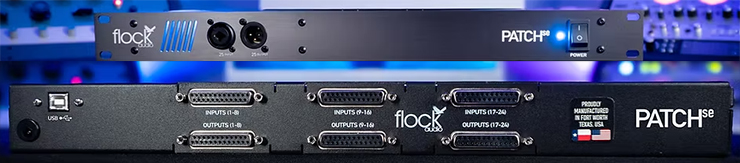
Flock Audio: If you’re familiar with the Patch series of digitally controlled, analog patch bays, you know just how amazing they are. But if you’ve got a pro project studio but a limited budget, you may have had to say “Get the flock out of here” when you saw the price tag. It’s time to celebrate, though. Flock Audio introduced the Patch SE, a scaled down design that pulls out only a few advanced features, keeps the pristine audio signal routing and digital app control, and slashes the cost!
The Patch SE has 24 ins and 24 outs on DB-25 (D-Sub) connectors, plus one combo TRS/XLR in and out on the front panel. Not much else you can say. Just connect your gear via DB-25 cables or snakes, fire up the Patch App (Windows, MacOS, iOS), and go. At only $999, this is going to end up in a ton of studios… including ours!
SSL: Solid State Logic is another one of those companies where we tend to wave the “Take my money” flag because they just make such great sounding hardware (and software versions of much of it). The new Super 9000 channel strip is another one of those devices that makes you ask, “Do I want another channel strip?” Feel free to replace want with need if it helps you justify the purchase. This new 1U channel strip is lifted from the SL 9000 J and Duality consoles, giving you big board SSL sound one channel at a time.
The Super 9000 features two selectable preamps: SuperAnalogue (9000) and VHD (Duality), compression, gate/expander, four-band parametric EQ, high and low pass filters, and an insert point for effects. It also has advanced side-chain capabilities including routing the filters to the dynamics section or the EQ to the dynamics section, and if you get a pair of these (hey, why not?) there’s a dynamics sidechain link that enables the units to function as a stereo pair. At $2,000, it’s not for everyone, but if you’ve got an uncompromising studio setup, artists will love how they sound through this one.

Honorable Mentions
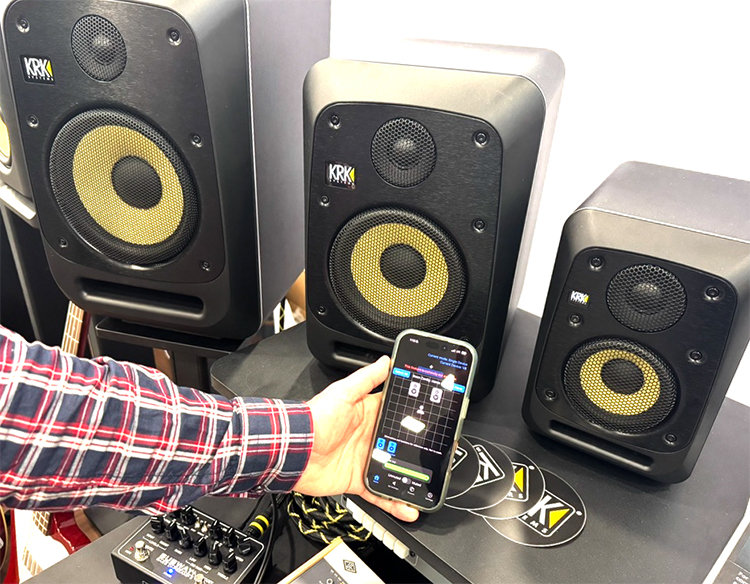
KRK: It’s been almost ten years since the release of the Gen 4 V-series monitors (see our review from 2017 here). The V-series speakers deliver outstanding value for pro level monitoring at professional project studio pricing, but fine tuning them required a trip to the rear panel and setting a variety of dip switches. We saw the first prototypes of the new speakers and really appreciated that they now have a wireless app that is used for speaker tuning/room calibration. It’s much more useful to sit in your listening position and make adjustments from there. As for what has been done to the sound? Too soon to know, but we look forward to reviewing them when they ship later this spring.
Guitars • Bass • Keyboards • Drums • Recording & Pro Audio